Wet Look vs Natural vs Enhancer Paver Sealer
Wet look sealers (acrylic or urethane) give pavers a glossy, “just-rained-on” shine and the strongest color boost; natural sealers (silane or siloxane) keep a flat, no-gloss finish with only a temporary color lift; enhancers are gloss acrylics chosen specifically to deepen color. Gloss finishes also raise slip risk on wet surfaces, which is a real tradeoff, not just a look.
- Key takeaways
- Finish type comes from sealer chemistry: silane/siloxane = flat; acrylic/urethane = gloss.
- Natural (silane/siloxane) sealers enhance color only briefly — the boost fades over time.
- Acrylic and urethane sealers enhance color more strongly and for longer, but raise slip risk when wet.
- At least one manufacturer recommends adding a slip-resistant additive to gloss sealer on inclined driveways, steps, and patios.
- Only acrylic, urethane, and water-based epoxy sealers are rated to help stabilize joint sand — silane/siloxane sealers are not.
What’s the Real Difference Between These Finishes?
The difference comes down to sealer chemistry, not marketing names. The Interlocking Concrete Pavement Institute’s technical guidance classifies paver sealer finishes this way: silane and siloxane sealers produce a flat, no-gloss finish; acrylic and urethane sealers produce a gloss finish; water-based epoxy sealers land in between at semi-gloss.
“Wet look” and “enhancer” are both typically gloss acrylic or urethane products — the names describe marketing emphasis (shine vs. color depth) more than a fundamentally different chemical. “Natural look” products are usually silane or siloxane based, built specifically to avoid changing the surface’s appearance much.
Natural (Silane/Siloxane): Flat Finish
ICPI describes silane and siloxane sealers as initially enhancing paver color and producing a flat, no-gloss finish — “very suitable on exterior areas for resisting efflorescence when a glossy surface is not desired.” The color enhancement from this type fades over time rather than staying boosted long-term.
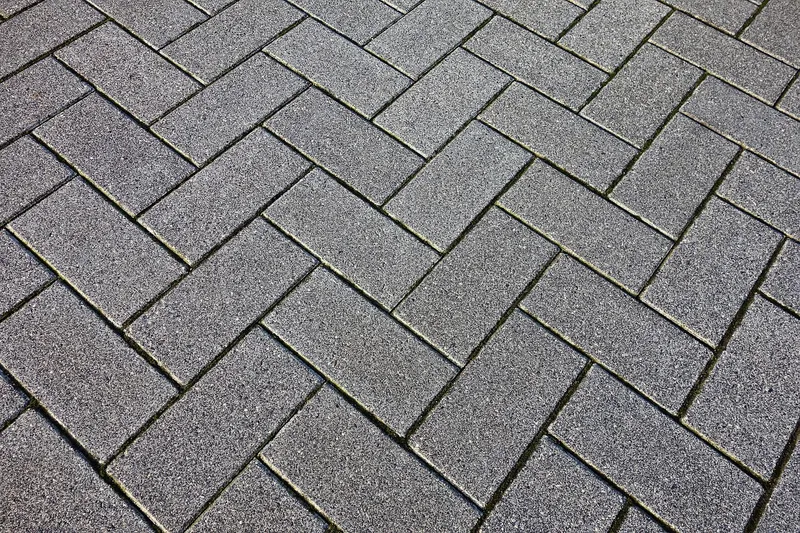
A real example: Techniseal’s Natural Look (iN) Protector is a water-based, matte-finish sealer the manufacturer markets as ideal for slip-prone surfaces specifically because it doesn’t add the gloss that increases slip risk.
Wet Look (Acrylic/Urethane): Gloss Finish
Acrylic sealers “enhance paver colors well and create a gloss on the surface,” per ICPI, and also provide good stain resistance — though durability depends on traffic, the acrylic’s quality, and its percentage of solids content.
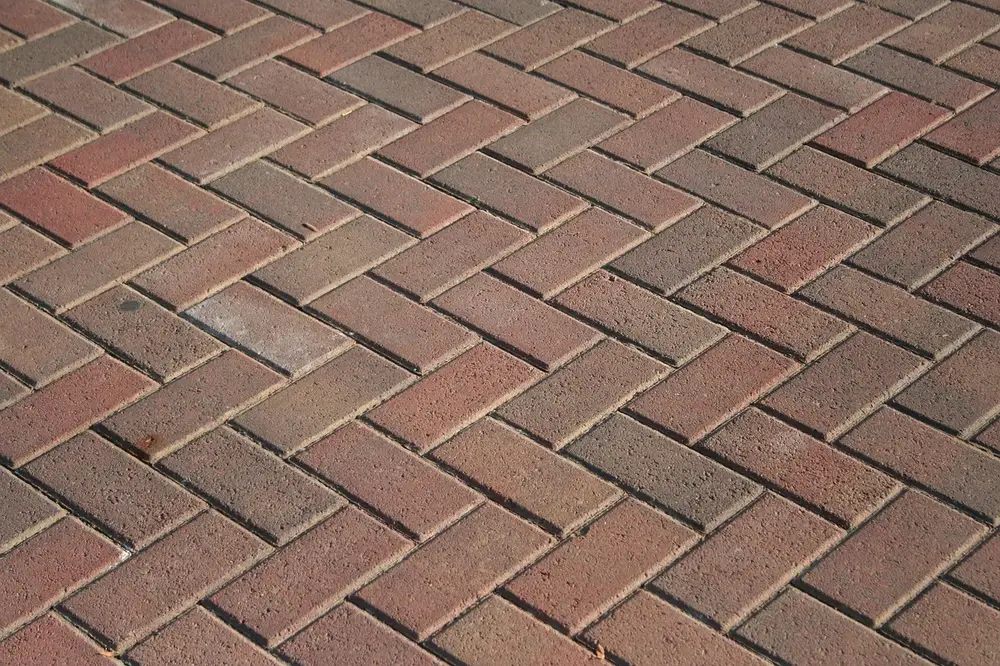
A real example: H&C’s Ultrapaver solvent-based sealer is explicitly marketed as imparting “a natural ‘wet look.'” Its own data sheet recommends adding a slip-resistant additive to the final coat specifically on inclined driveways, garages, steps, and patios — a direct acknowledgment from the manufacturer that gloss finishes increase slip risk on these surfaces.
Enhancer: Gloss With a Focus on Color Depth
“Enhancer” sealers are, chemically, usually the same gloss acrylic category as wet look sealers — the distinction is more about intended use than a different formula. Enhancers are chosen specifically to deepen and saturate paver color, which the acrylic/urethane category does well according to ICPI’s own properties table, at the cost of the same gloss and slip tradeoffs as any wet look product.
Side-by-Side Comparison
| Property | Natural (silane/siloxane) | Wet look (acrylic/urethane) | Enhancer (gloss acrylic) |
|---|---|---|---|
| Sheen | Flat, no-gloss | Gloss, “wet” shine | Gloss |
| Color deepening | Initial boost, then fades over time | Strong, longer-lasting | Strong |
| Slip risk when wet | Lower | Higher — makers suggest an anti-slip additive | Higher |
| Stabilizes joint sand | Not rated for this function | Yes | Yes |
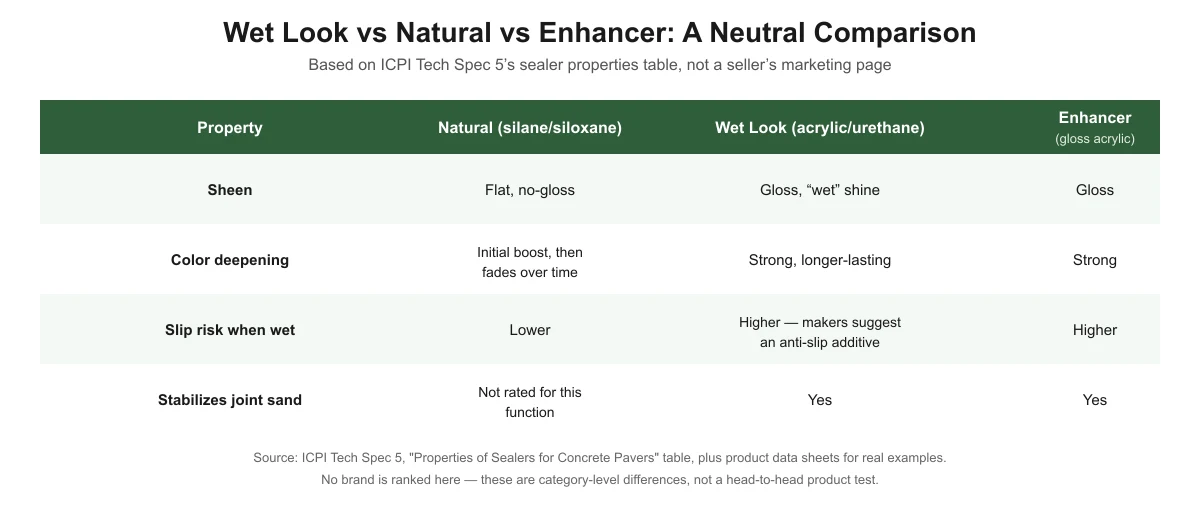
No source here ranks one specific brand above another within a category — these are documented category-level differences from a neutral technical source, not a side-by-side product test we performed ourselves.
Reapplication: Which Finish Is Easier to Redo?
Reapplication difficulty tracks closely with how the sealer cures. Penetrating silane and siloxane sealers soak into the paver rather than sitting on top as a thick film, so a fresh coat over a worn natural-look sealer is generally straightforward once the surface passes a dryness check — there’s little old film to deal with.
Film-forming acrylic and urethane sealers (the wet look and enhancer category) build up a surface coating, which makes reapplication more involved. If the existing film is intact and the same product, a fresh coat can often go straight on. But if the old sealer is unknown, a different brand, or already showing early peeling, manufacturer instructions typically call for stripping it first with a dedicated stripper before resealing — otherwise the new and old films can interact and cause the whitening or flaking problems covered in our paver sealer peeling or flaking guide. Water-based epoxy sealers, the semi-gloss middle category, behave similarly to the acrylic/urethane group in this respect since they also form a surface film.
Which Should You Choose?
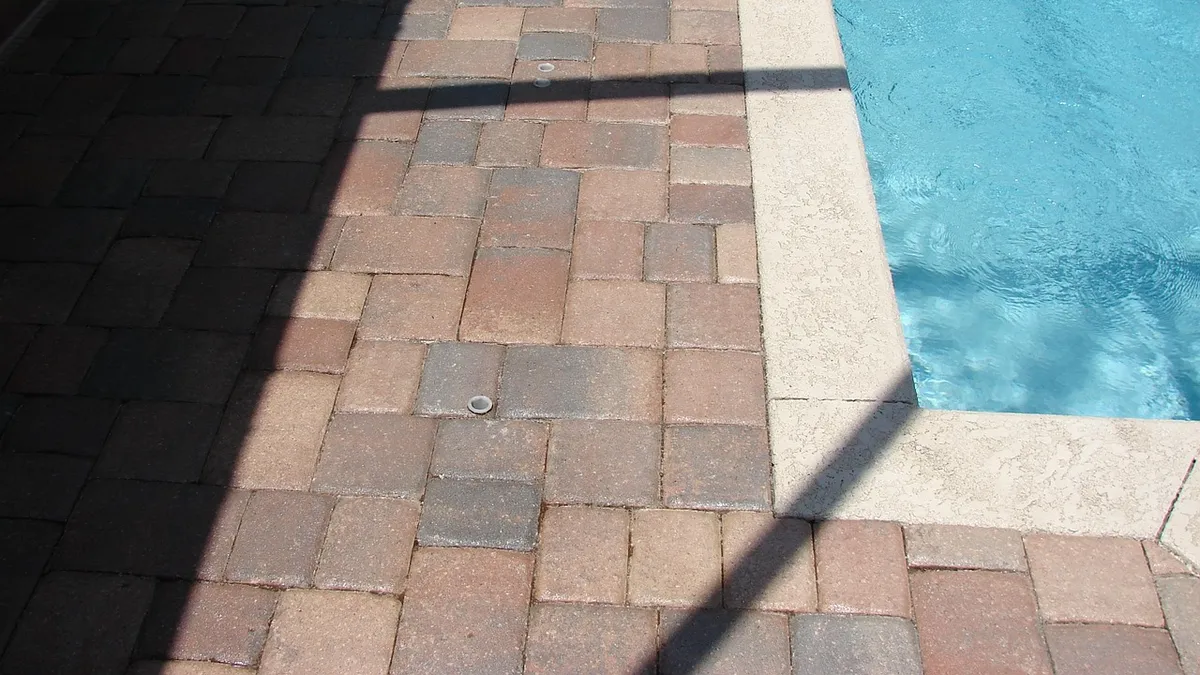
If the surface gets wet often — pool decks, entryways in rainy climates, steps — a flat natural finish lowers slip risk. If you want the most visible transformation and the surface isn’t a major slip concern, a wet look or enhancer gloss sealer delivers that. If you do choose a gloss product for an incline, steps, or a garage floor, check whether the manufacturer offers (or recommends adding) a slip-resistant additive, the way H&C does for its Ultrapaver line.
For the chemistry side of the decision — water-based versus solvent-based, independent of finish — see water-based vs solvent-based paver sealer. For the full application process once you’ve picked a product, start with how to seal pavers: the complete guide.
Safety note: Whichever finish you choose, ventilate the area well while applying sealer and wear gloves and eye protection. Add a vapor-rated respirator if you’re using a solvent-based gloss product. (Source: ICPI Tech Spec 5)
Frequently Asked Questions
Does a wet look sealer make pavers dangerously slippery?
It raises slip risk compared to a flat finish, especially when wet, which is why at least one manufacturer recommends adding a slip-resistant additive on inclines, steps, and patios. It’s a real tradeoff to weigh, not an automatic dealbreaker — many homeowners use gloss sealers successfully on flat, well-drained surfaces.
Can I apply a natural look sealer over an old wet look sealer?
Generally you need to strip the old sealer first if it’s a different product or chemistry, since manufacturer instructions typically require applying only to bare pavers or to a surface already sealed with the same product. Mixing incompatible sealers is a documented cause of peeling and flaking.
Do enhancer sealers fade faster than wet look sealers?
Since both are typically the same acrylic/urethane gloss category, there’s no sourced evidence they behave differently from each other in durability — the real differences documented are between this gloss category and the flat silane/siloxane category, not within it.
Is natural look sealer basically “no sealer at all”?
No — a natural look sealer (silane or siloxane) still protects against stains and some enhances efflorescence resistance, per ICPI. It simply doesn’t add the gloss or long-term strong color boost that acrylic and urethane sealers do.
Sources
- Interlocking Concrete Pavement Institute, Tech Spec 5: Cleaning, Sealing and Joint Sand Stabilization of Interlocking Concrete Pavement (1995, revised 2004)
- Techniseal, Natural Look (iN) Protector Technical Data Sheet (March 2023)
- H&C Concrete, Ultrapaver Solvent-Based Florida Paver Sealer Product Data Sheet (Rev. 4/16)
paversealguide.com Editorial Team. Last updated: November 13, 2026.